


USB-C cable end reinforcement sleeve
The device in the image is a USB-C cable end reinforcement sleeve. It’s designed to prevent or mitigate cable end breakage by providing structural support to the vulnerable area where the cable meets the connector. Here’s how it works: Description and Functionality: Material and Design: Made of a durable, flexible plastic or silicone, PLA, ABS, PETG, the sleeve has a cylindrical shape with a split down one side, allowing it to be easily slipped onto the cable.
Grip Features: The ribbed, tooth-like structures on one side provide extra strain relief by distributing bending forces, reducing stress on the cable’s internal wires.
Openings: The circular cutouts reduce material bulk, making the sleeve lightweight while maintaining flexibility and allowing for heat dissipation.
Installation: The sleeve clamps around the base of the USB-C connector and the adjacent cable section, reinforcing the junction where fraying or breakage often occurs due to repeated bending.
Purpose: It prevents further damage to a slightly frayed cable or protects a new cable from wear, extending its lifespan.
How It Helps: Strain Relief: Absorbs bending forces, preventing the cable from flexing too sharply at the connector.
Protection: Shields the cable’s outer insulation from fraying or splitting.
Cost-Effective: A simple, passive solution to avoid replacing a damaged cable.
This type of device doesn’t repair existing internal wire damage but reinforces the cable to prevent further deterioration. For active repair, you’d need a more complex tool like the one I described earlier, involving soldering or connector replacement.
USB-C cable end reinforcement sleeve

USB CLEANING TOOL / USB-C CLEANING TOOL / CHARGING POINT CLEANER / APPLE / ANDROID
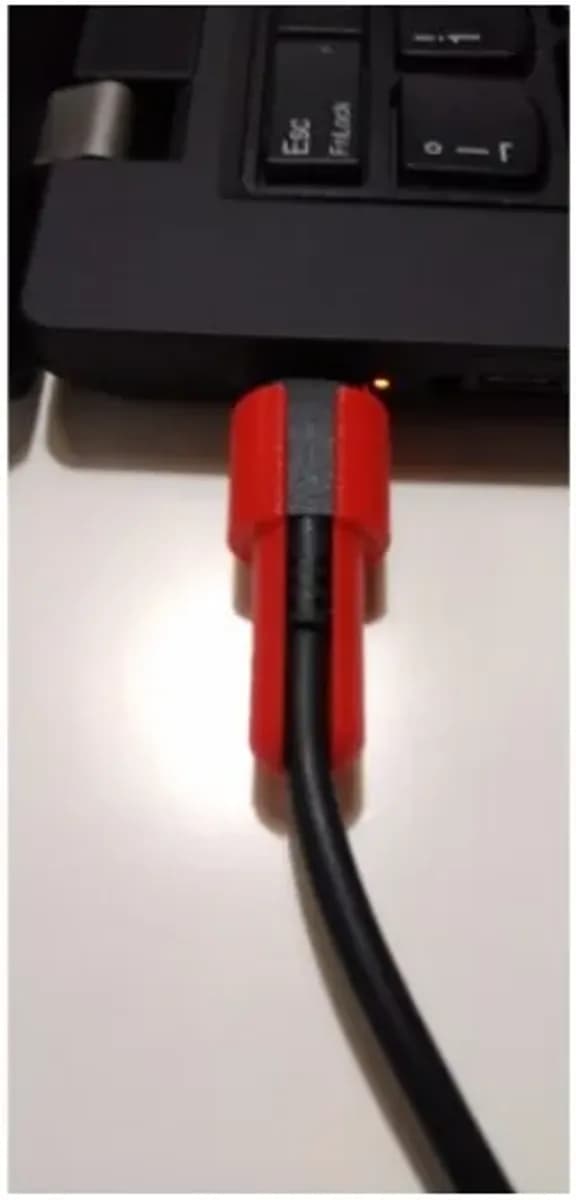
ThinkPad T14 - USB-C Cable Protector Power Adapter 65W

clip for Apple 240W USB-C Charge Cable (2 m)

Charger Organiser (Minimal Material Design – USB-C / USB-A Versions)
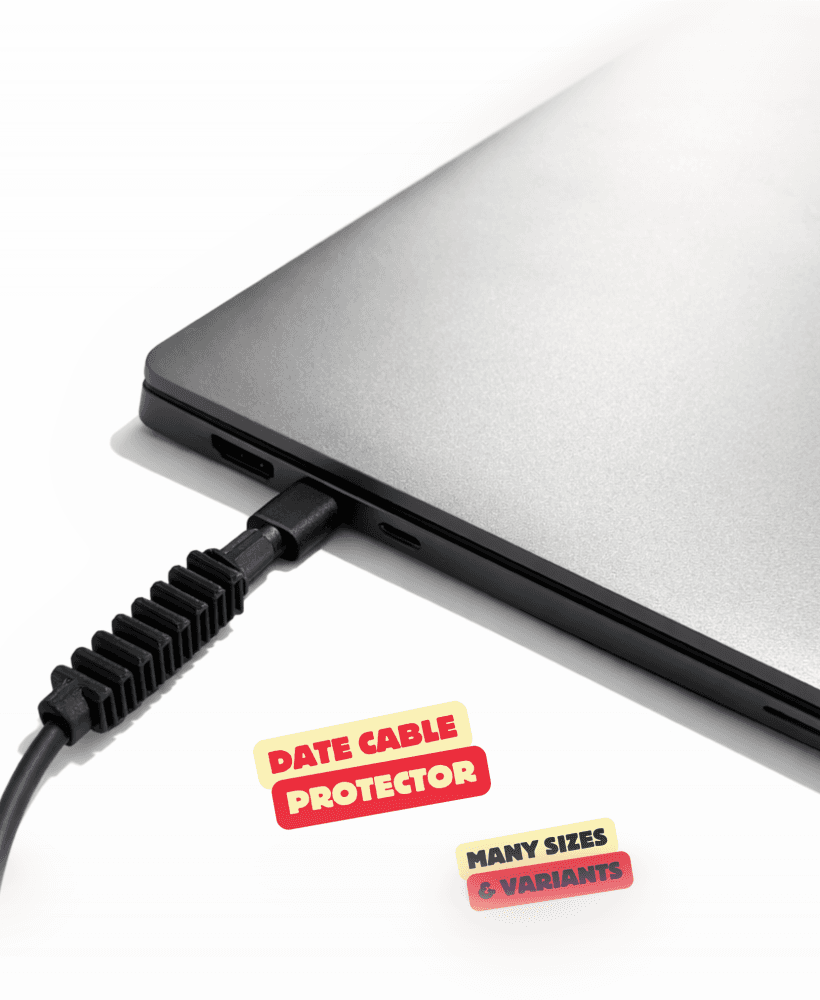
DATA CABLE PROTECTOR / USB CABLE PROTECTOR / CHARGING CABLE PROTECTOR / APPLE CABLE PROTECTOR / WIRE
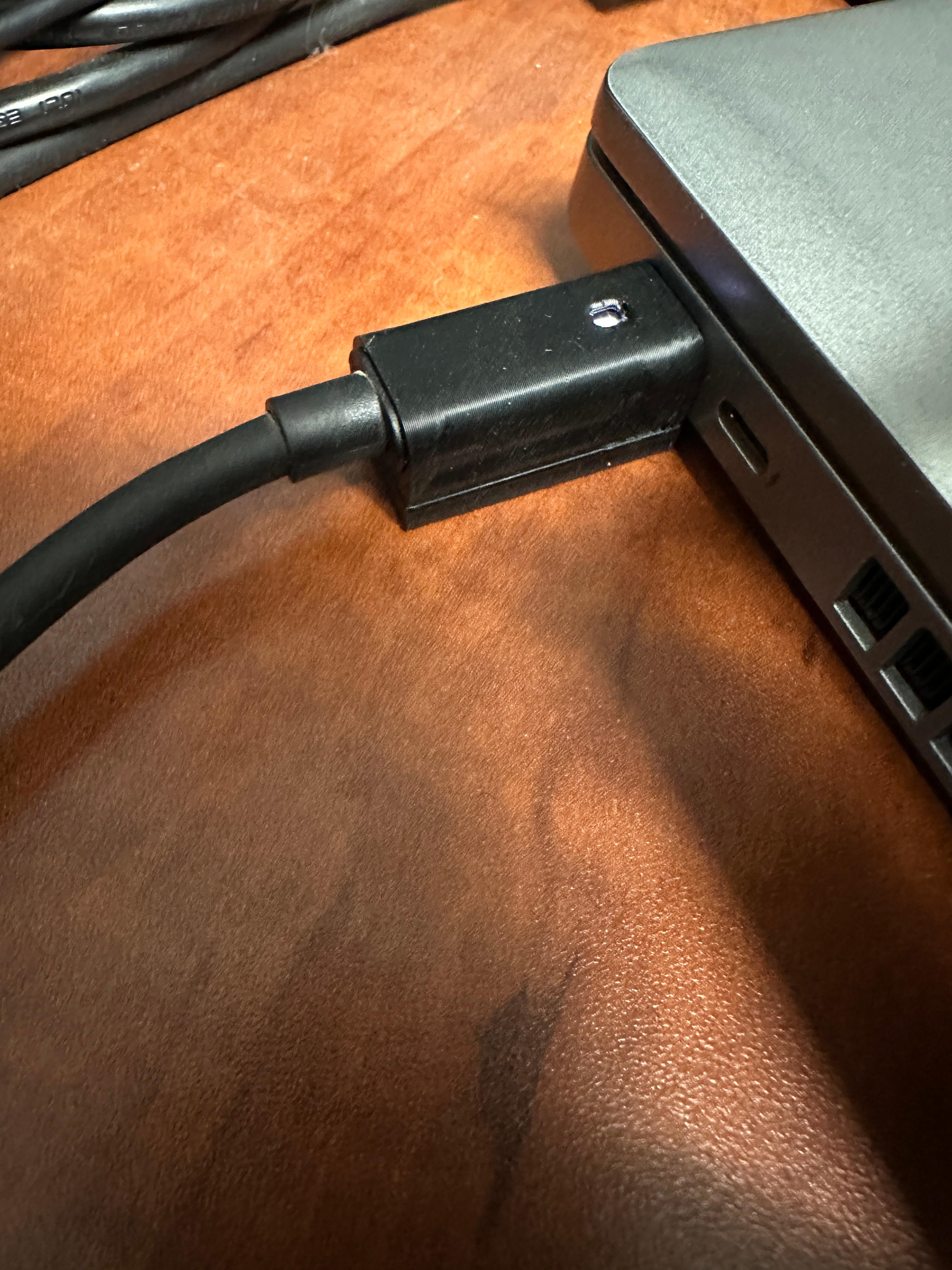
USB-C Support for Dell WD19/WD22 docking station and Dell Laptop

USB-C plug protector
Official HueForge TD Step Test USB-C Box
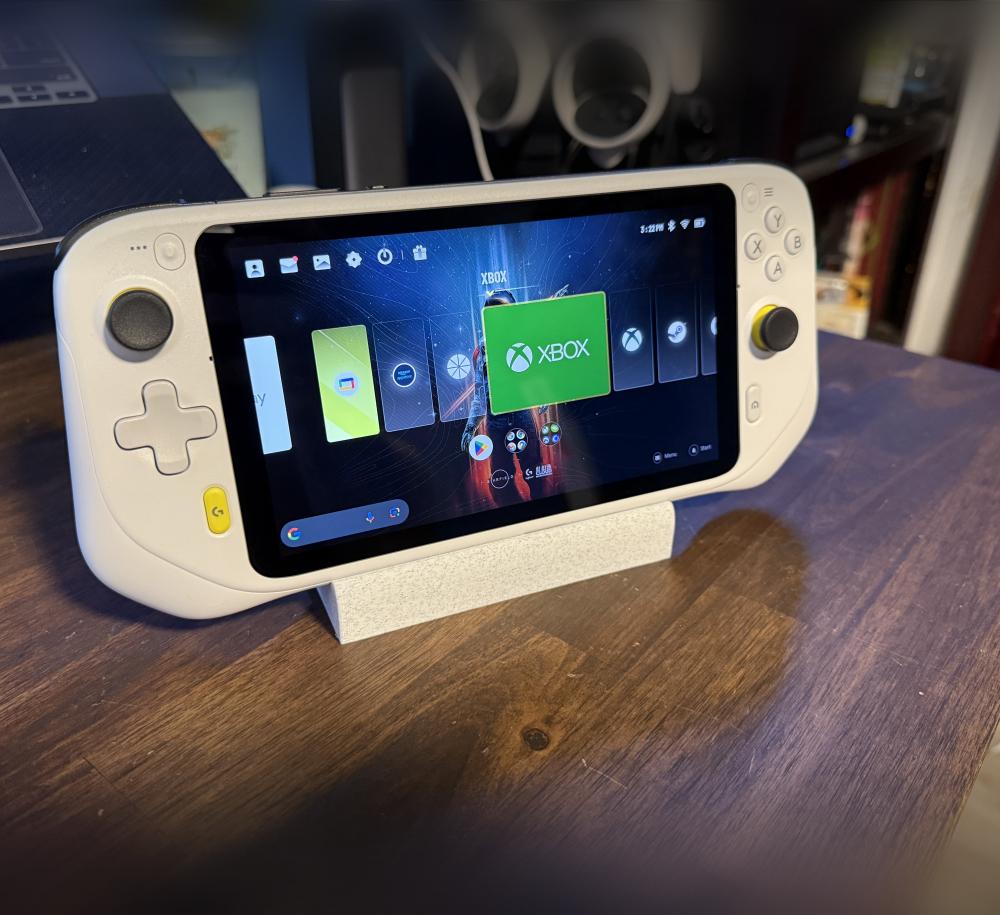
Logitech G Cloud Stand with USB-C Hub Cutout
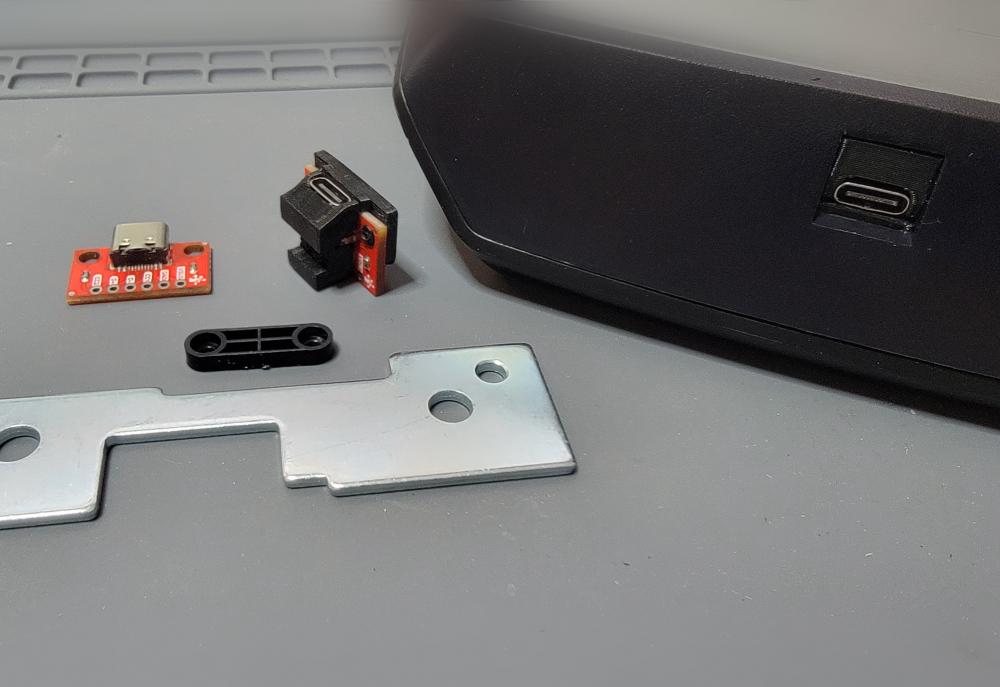
Logitech G13 USB-C Adapter
.jpg&w=3840&q=75)
MultiBoard Snap USB-C Port
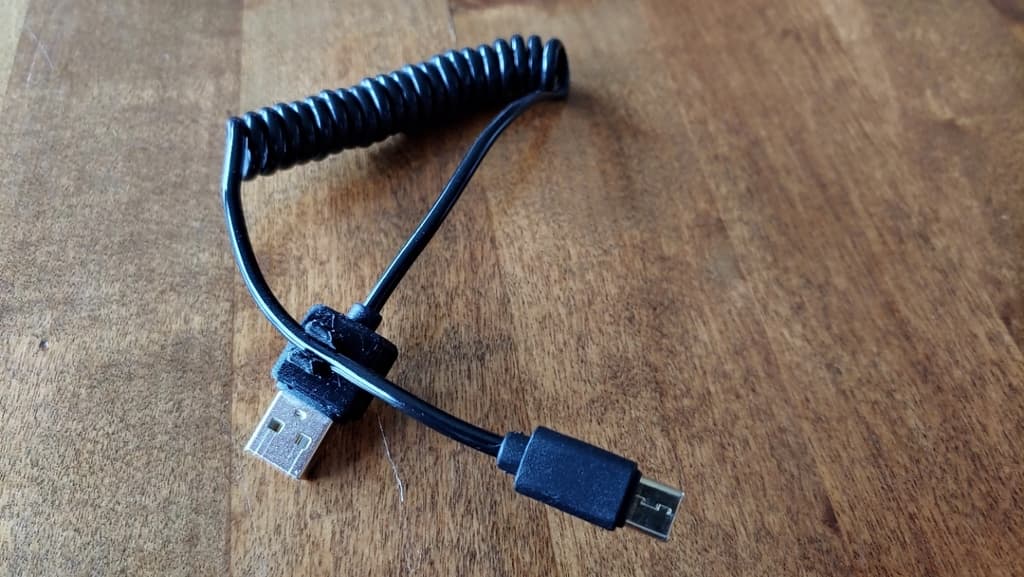
USB-Kabelhalter | USB Cable cable bracket

USB-C PPSTrigger Board Mount.stl

12v 18650 USB-C Power Supply Housing
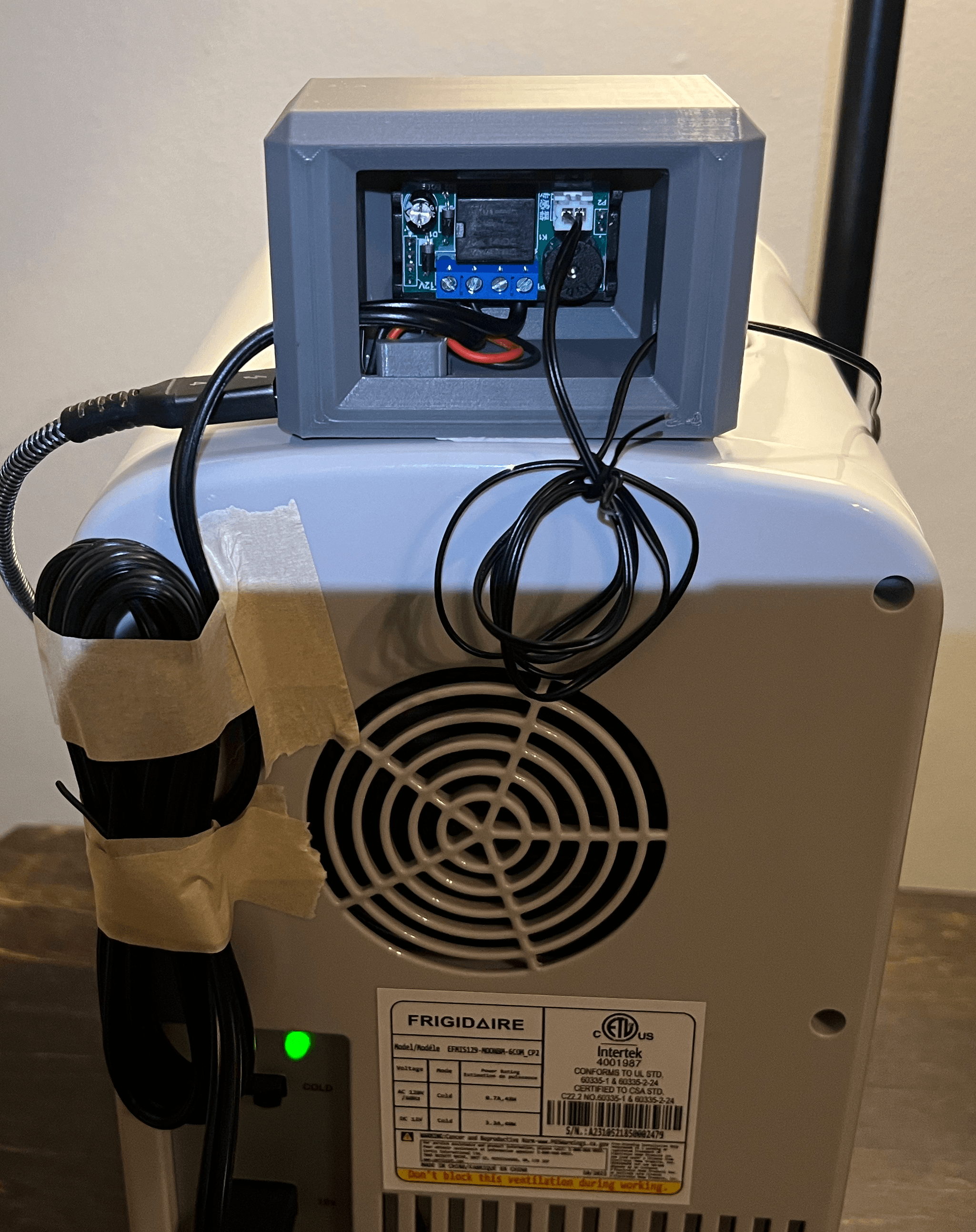
Thermostat Mount WIth USB-C Power Socket

USB-C Charger - Case for Ozito/Einhell PXC
-2%2520(1).png&w=3840&q=75)
Retro Kitsch Sweet Dessert Charms - For USB-C, Kindle, Phone, Dust Plug, Keychain, Accessory, Keys

Nintendo Switch Dock Dust Cover — Short Variant for Dbrand Dock Adapter (USB-C Port Insert)

1x1 CU - USB-C Holder - Multibin Top
